
Does Color Matter in Home Selling?
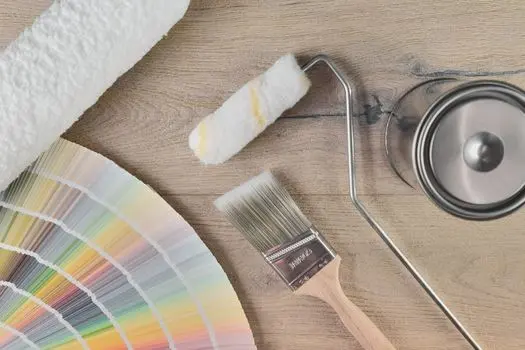
 Short answer: yes-more than most people think.
Imagine walking into a home for the first time. Before you notice the layout, the size of the rooms, or even the view, your brain is already reacting to how the space feels. That feeling often comes from color. Color quietly sets the mood, shapes first impressions, and helps buyers decide-sometimes without realizing it-whether a home feels like "the one."
If you're getting ready to sell, or even just thinking about it, understanding how color affects buyers can make a real difference. The good news? You don't need to be a designer or an artist to get it right.
Why Color Matters More Than You Expect
When buyers walk into a home, they're not just looking at walls. They're imagining their life there. They're asking themselves questions like: Does this feel comfortable? Does it feel clean? Can I see myself living here?
Color plays a big role in answering those questions. Soft, balanced colors help buyers relax and focus on the space itself. Loud or very personal colors can do the opposite. They pull attention away from the home and toward the seller's taste, making it harder for buyers to picture their own furniture, style, and routines.
Think of paint like background music. When it's just right, you don't notice it-but it sets the mood perfectly.
First Impressions Start at the Front Door
Color matters before buyers even step inside. Exterior paint, trim, and even the front door send a message. A home with fresh, clean colors feels cared for. One with peeling paint or bold, outdated choices can feel neglected, even if the inside is beautiful.
Once buyers step through the door, the first room sets the tone for the rest of the tour. If that space feels bright, calm, and welcoming, buyers are more likely to feel positive as they move through the home. If it feels dark, busy, or overwhelming, they may spend the rest of the showing trying to shake that first reaction.
Color Affects How Big or Small a Home Feels
Paint can actually change how large a room appears. Light, neutral colors reflect light and make spaces feel open and airy. Dark colors absorb light and can make rooms feel smaller, especially if the room doesn't get much natural sunlight.
This doesn't mean dark colors are always bad, but they need to be used carefully. In most homes, especially those being sold, lighter tones help show off the space instead of shrinking it.
Ceilings are another great example. A ceiling painted white or a soft off-white feels higher. A darker ceiling can make a room feel closed in, even if it's tall.
Buyers Buy With Their Feelings
People like to think they make buying decisions with logic, but emotion plays a huge role-especially with homes. Color influences emotion in subtle ways.
Warm neutrals can feel cozy and safe. Soft blues often feel calm and peaceful. Earthy greens can feel grounded and natural. These feelings help buyers relax and imagine settling in.
On the other hand, very bright reds, strong purples, or bold patterns can create strong reactions. Even if a buyer likes the color personally, they may still see it as extra work or cost to change later.
When selling, the goal isn't to impress buyers with your personality. The goal is to make them feel comfortable enough to imagine their own life in the home.
Online Photos Matter More Than Ever
Most buyers meet your home online first. Before they schedule a showing, they scroll through photos. Color plays a huge role in how those photos look.
Homes with clean, neutral colors tend to photograph better. They look brighter, clearer, and more modern on screens. Busy or dark colors can make photos feel heavy or dated, even if the home looks fine in person.
Good photos bring more buyers in the door. More buyers usually mean more interest-and that can lead to stronger offers.
Neutral Doesn't Mean Boring
A common worry sellers have is that neutral colors will make their home feel plain. But neutral doesn't mean boring. It means flexible.
Neutrals allow light to bounce around the room. They make furniture, art, and architectural details stand out. They create a blank canvas that works for many styles, not just one.
The key is choosing neutrals with warmth and balance. Very cold grays can feel flat. Stark white can feel harsh. Soft whites, warm beiges, light greiges, and gentle taupes tend to feel more inviting.
One Simple List: Colors That Tend to Work Well
While every home is different, these color types generally appeal to the widest range of buyers:
Soft whites and off-whites for main living areas
Light greige or beige for walls that need warmth
Muted blues for bedrooms or bathrooms
Soft, natural greens for calm spaces
Darker colors used only as accents, not everywhere
This isn't about following trends. It's about choosing colors that feel clean, calm, and easy to live with.
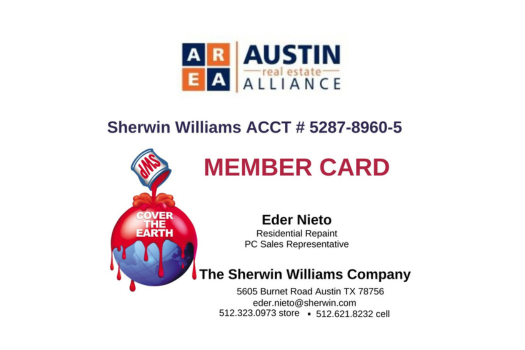 We partner with Sherwin Williams for huge savings when it comes time to paint. Download the image we refer to as a Member Card and share at the checkout counter of any SW location across the United States for a savings of 1-70% (depending on paint selections) and let us know how this benefited your bottom line.
Consistency Matters
One of the biggest mistakes sellers make is using too many different colors throughout the house. When every room is a different shade, the home can feel choppy and smaller than it really is.
Using a consistent color palette helps the home flow. Rooms feel connected. Buyers move from space to space without visual distractions. This makes the home feel more thoughtful and well cared for.
That doesn't mean every room has to be the same color. It just means the colors should work together.
Paint Is a Small Investment With Big Impact
Paint is one of the least expensive updates you can make before selling, but it often gives one of the biggest returns. A fresh coat of the right color can make an older home feel newer. It can hide wear and tear. It can even make buyers feel like the home has been better maintained overall.
Many buyers prefer homes that feel move-in ready. When paint choices already feel right, buyers see one less project to tackle after closing.
When You Don't Need to Repaint
Not every home needs new paint before selling. If your walls are in good shape and the colors are already neutral and modern, repainting may not be necessary.
The goal is not perfection-it's appeal. If your home already feels light, clean, and easy to imagine living in, you may be just fine.
The Bottom Line
So, does color matter when selling a home? Absolutely.
Color affects first impressions, emotions, photos, and even how buyers judge value. The right colors help buyers feel comfortable, focused, and excited. The wrong ones can create hesitation before buyers even realize why.
You don't need to redesign your entire home or follow every trend. Simple, thoughtful color choices-especially ones that feel light, warm, and consistent-can make a real difference.
When in doubt, think about this: the best selling colors don't shout for attention. They quietly let the home shine.
If you'd like help deciding what colors work best for your specific home or your local market, that guidance can save time, money, and stress-and help your home stand out in all the right ways.
Categories
- All Blogs (245)
- ADU (1)
- Appraisal (13)
- Austin Real Estate Market (82)
- Buyer Agents (101)
- Buying Luxury Homes (36)
- Clean & Well Maintained (4)
- CMA (14)
- Color (2)
- Comparative Market Analysis (15)
- County Records (1)
- Curb Appeal (36)
- Deed (1)
- Deed Records (1)
- Design (12)
- Feng Shui (4)
- First Time Buyers (13)
- Flag Lot (1)
- For Sale By Owner (10)
- FSBO (10)
- Green Home (2)
- HOA (1)
- Holiday (1)
- Home Buying (134)
- Home Improvement (1)
- Home Inspection (15)
- Home Owners Association (1)
- Home Selling (129)
- Homes (162)
- Homestead Exemption (1)
- Investments and Second Homes (4)
- Lending (38)
- Moving (28)
- New Construction (3)
- Open House (2)
- Outdoor Living (5)
- Paint (3)
- Pets (7)
- Photography (2)
- Pool (1)
- Real Estate Market (67)
- Realtor (165)
- Seller Agent (107)
- Selling Luxury Homes (46)
- Solar Panels (2)
- Staging (41)
- Taxes (3)
- Vacations (2)
Recent Posts






ABR, ASP, C2EX, CLHMS, CHMS, CRS, ePRO, GRI, LUXE, SRS, TBS License ID: 484248
+1(512) 903-5268 | laura@austintatious512.com