
How to Evaluate an Older Home: Key Considerations Before Making a Purchase

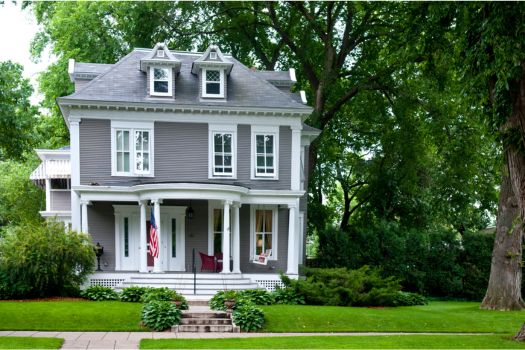 Welcoming a new neighbor is a hallmark of classic American etiquette and yet, somehow, it can also feel like an intrusion. While timing is everything when greeting a new neighbor, the same principle applies when evaluating an older home for purchase. You want to approach the situation with care, ensuring that the charm of a classic property is not overshadowed by hidden problems. An older home can be a treasure trove of history, character, and unique architectural features, but it’s essential to thoroughly assess its condition before committing to buy. Here’s a comprehensive guide to the critical factors you should check when considering the purchase of an older house.
1. Structural Integrity: The Foundation of Your Future
One of the most crucial aspects to examine in an older home is its structural integrity. Over time, the foundation can shift or crack, leading to serious issues that may not be immediately visible. Start by inspecting the foundation for any cracks or signs of water damage, as these can indicate deeper problems. Pay attention to uneven floors, which can suggest that the foundation has settled unevenly. While these issues may not be deal-breakers, they can require significant investment to repair, so it’s important to be aware of them upfront.
2. Roof Condition: Shelter from the Storm
The roof is your primary defense against the elements, so its condition is paramount. In older homes, roofs may have been patched or repaired multiple times, but the underlying structure could still be compromised. Look for signs of wear such as missing or curling shingles, and be aware of any water stains on ceilings inside the house, as these can indicate leaks. It’s also wise to ask the current owner about the age of the roof and any repairs that have been made, so you have a clear understanding of when it might need to be replaced.
3. Electrical Systems: Powering the Past and the Future
Older homes often come with outdated electrical systems that may not meet modern safety standards. This is especially common in homes built before the 1960s, which may still have knob-and-tube wiring or an insufficient number of circuits to handle today’s electrical demands. It’s essential to have a licensed electrician inspect the wiring, outlets, and circuit breaker panels to ensure they are up to code and capable of supporting your needs. If extensive electrical work is required, this could add a significant cost to your budget.
4. Plumbing: The Lifeblood of a Home
The plumbing in an older home can be another area of concern, as pipes may have corroded or become clogged over time. Galvanized steel pipes, common in homes built before the 1960s, are particularly prone to corrosion and can eventually lead to low water pressure or even leaks. During your inspection, check for signs of rust around the plumbing fixtures and test the water pressure in various parts of the house. Additionally, ask about the condition of the sewer line, as older homes may still have clay pipes that are prone to cracking.
5. Windows and Doors: The Portal to Energy Efficiency
Windows and doors in older homes contribute significantly to the property’s overall energy efficiency. Original windows, while charming, may be drafty or single-paned, leading to higher heating and cooling costs. Check for drafts around windows and doors, and consider the condition of the frames. Replacing windows can be expensive, but it may be necessary to improve the home’s energy efficiency and comfort.
6. Hazardous Materials: Hidden Dangers in Older Homes
One of the less obvious but critically important aspects of buying an older home is the potential presence of hazardous materials like asbestos, lead paint, or mold. Asbestos was commonly used in building materials until the 1980s, and lead-based paint was widely used until 1978. Both substances can pose serious health risks if not properly managed. Mold is another concern, especially in homes that have experienced water damage. Before purchasing an older home, consider having a professional inspection for these hazards to avoid costly remediation later.
7. Insulation: Keeping the Cold at Bay
Many older homes were built with minimal insulation, which can lead to high energy bills and an uncomfortable living environment. If the home hasn’t been updated with modern insulation, you may need to invest in improving it. Check the attic, walls, and crawl spaces to see what kind of insulation, if any, is present. Upgrading insulation can significantly improve your home’s energy efficiency and overall comfort.
8. The Charm of History: Balancing Character with Practicality
Older homes often come with a unique charm that’s hard to find in newer constructions. Architectural details like crown molding, hardwood floors, and built-in cabinetry can add immense value and appeal. However, it’s essential to balance this character with practical considerations. Ensure that the home’s historic features are in good condition and that maintaining them won’t become a financial burden.
Making an Informed Decision
Buying an older home can be an incredibly rewarding experience, offering the opportunity to own a piece of history while enjoying the unique character that comes with it. However, it’s essential to approach the process with a thorough understanding of the potential challenges and costs involved. By carefully evaluating the structural integrity, roof condition, electrical systems, plumbing, windows, doors, hazardous materials, and insulation, you can make an informed decision that ensures your new home is not only beautiful but also safe and functional.
Remember, just as welcoming a new neighbor requires a delicate balance of enthusiasm and respect, purchasing an older home requires a careful assessment of both its charm and its challenges. With the right approach, you can confidently invest in a property that will bring you joy and satisfaction for years to come. Turning to trusted professionals to provide experienced insight to avoid heartache or ensure you're making the best decisions is always wise. Seek out a real estate agent known for their knowledge in the community you desire most.
Categories
- All Blogs (245)
- ADU (1)
- Appraisal (13)
- Austin Real Estate Market (82)
- Buyer Agents (101)
- Buying Luxury Homes (36)
- Clean & Well Maintained (4)
- CMA (14)
- Color (2)
- Comparative Market Analysis (15)
- County Records (1)
- Curb Appeal (36)
- Deed (1)
- Deed Records (1)
- Design (12)
- Feng Shui (4)
- First Time Buyers (13)
- Flag Lot (1)
- For Sale By Owner (10)
- FSBO (10)
- Green Home (2)
- HOA (1)
- Holiday (1)
- Home Buying (134)
- Home Improvement (1)
- Home Inspection (15)
- Home Owners Association (1)
- Home Selling (129)
- Homes (162)
- Homestead Exemption (1)
- Investments and Second Homes (4)
- Lending (38)
- Moving (28)
- New Construction (3)
- Open House (2)
- Outdoor Living (5)
- Paint (3)
- Pets (7)
- Photography (2)
- Pool (1)
- Real Estate Market (67)
- Realtor (165)
- Seller Agent (107)
- Selling Luxury Homes (46)
- Solar Panels (2)
- Staging (41)
- Taxes (3)
- Vacations (2)
Recent Posts






ABR, ASP, C2EX, CLHMS, CHMS, CRS, ePRO, GRI, LUXE, SRS, TBS License ID: 484248
+1(512) 903-5268 | laura@austintatious512.com